
Gallery – Dr. Jamal Akhtar Azmi, Urologist in Mumbai
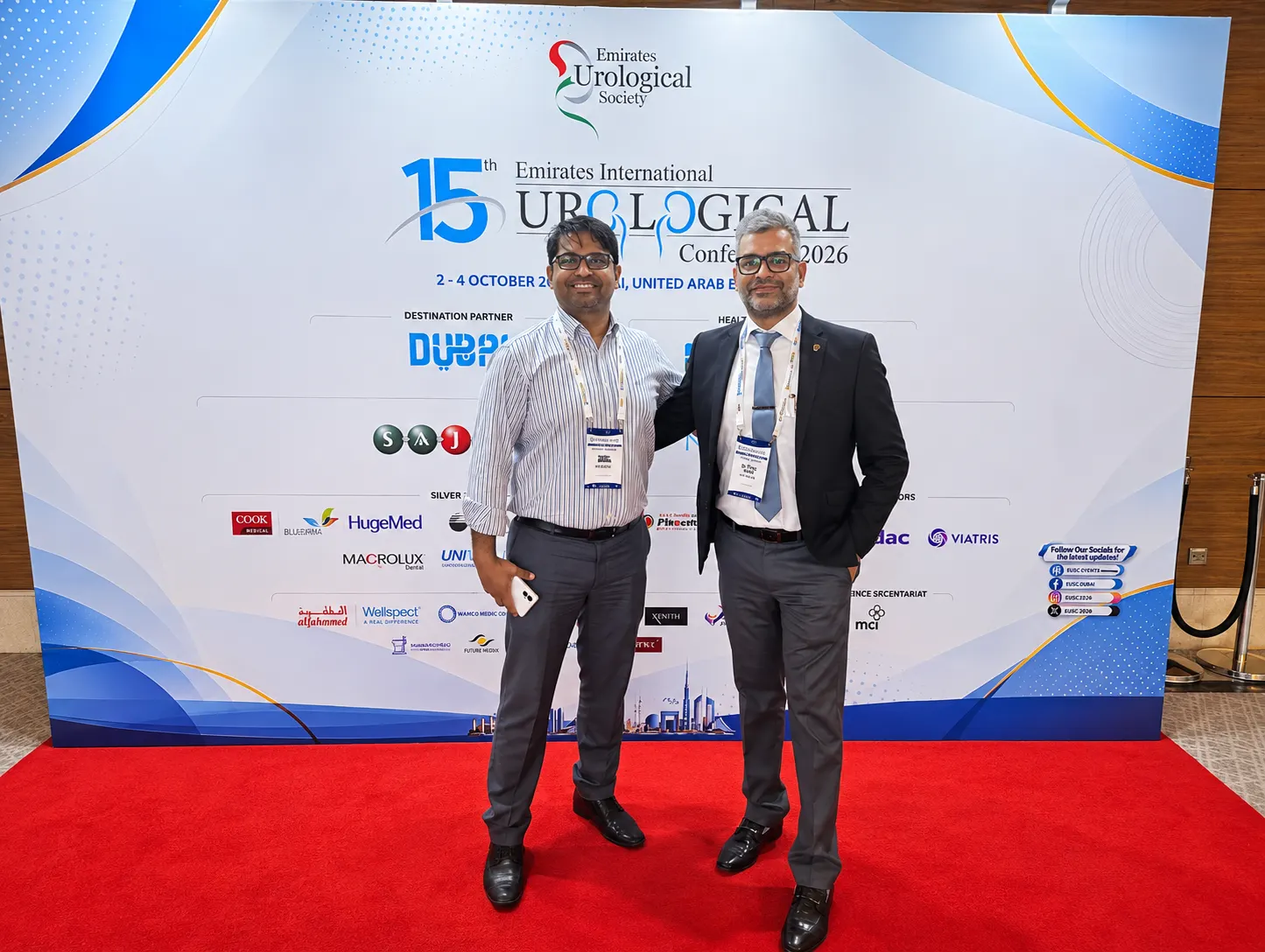
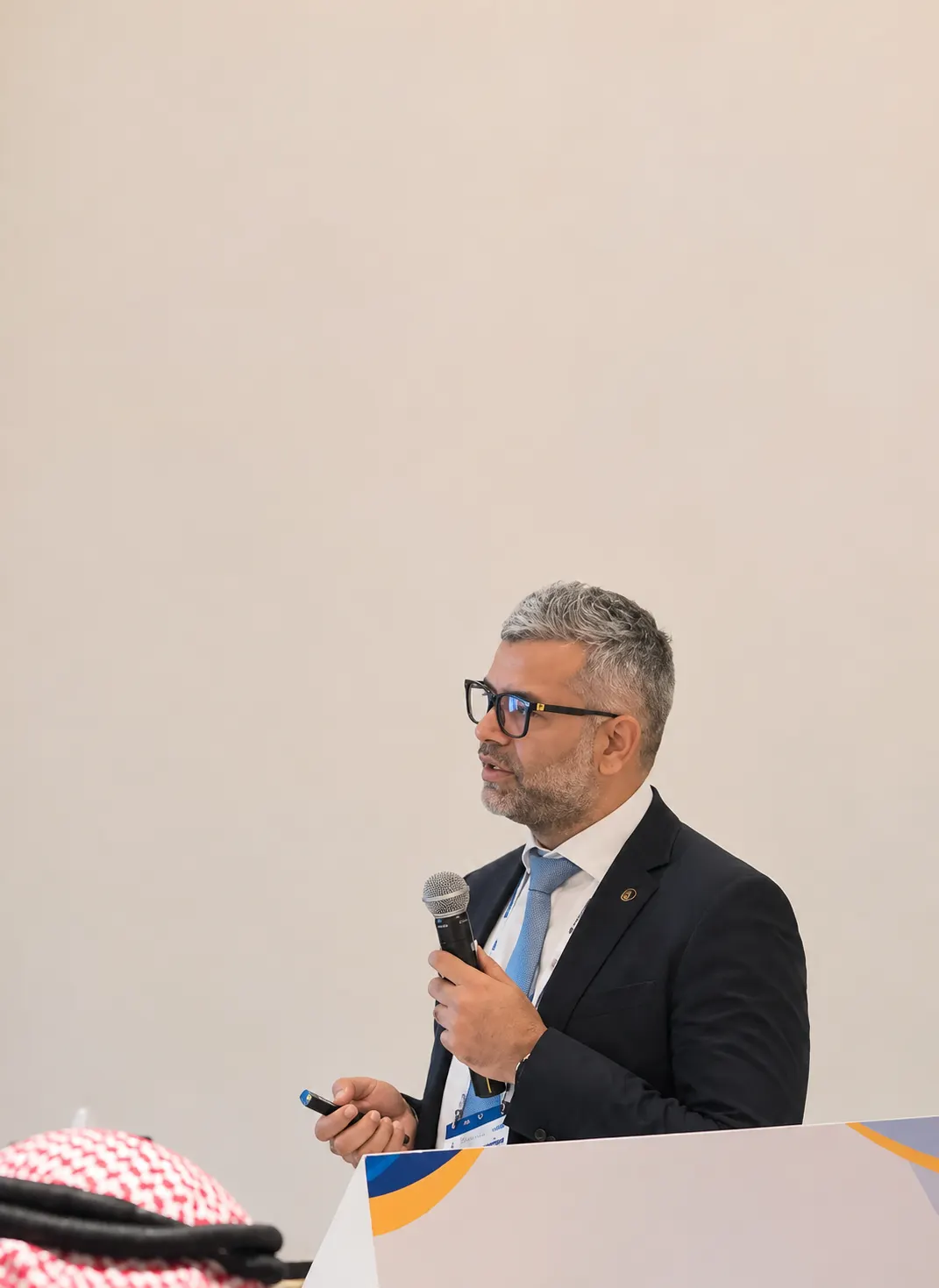
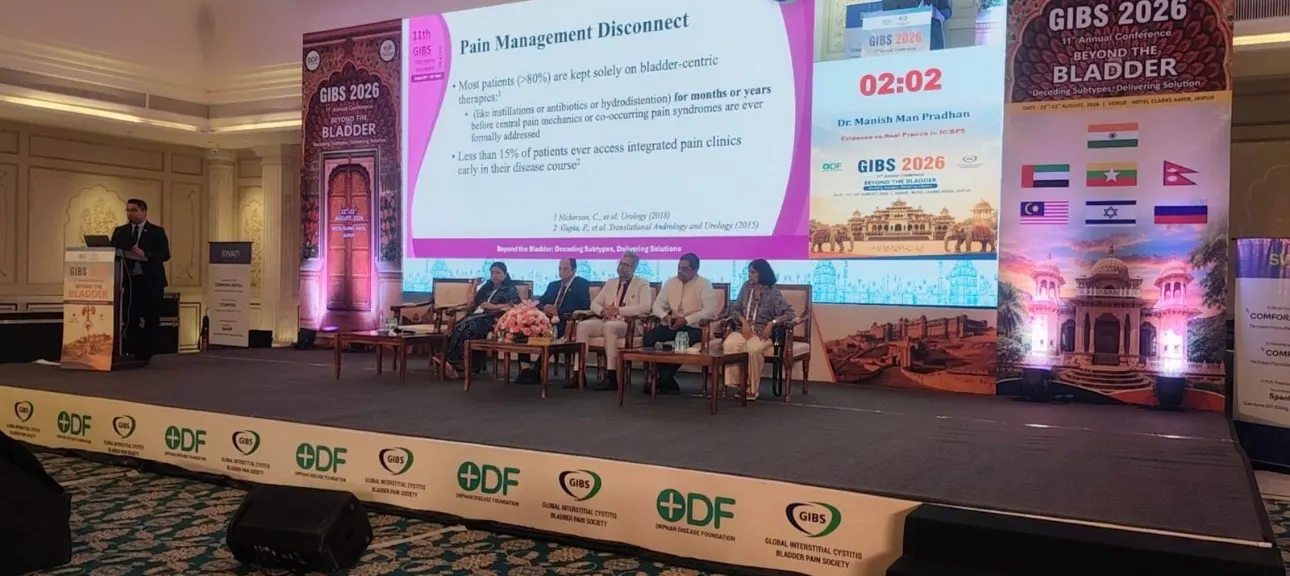
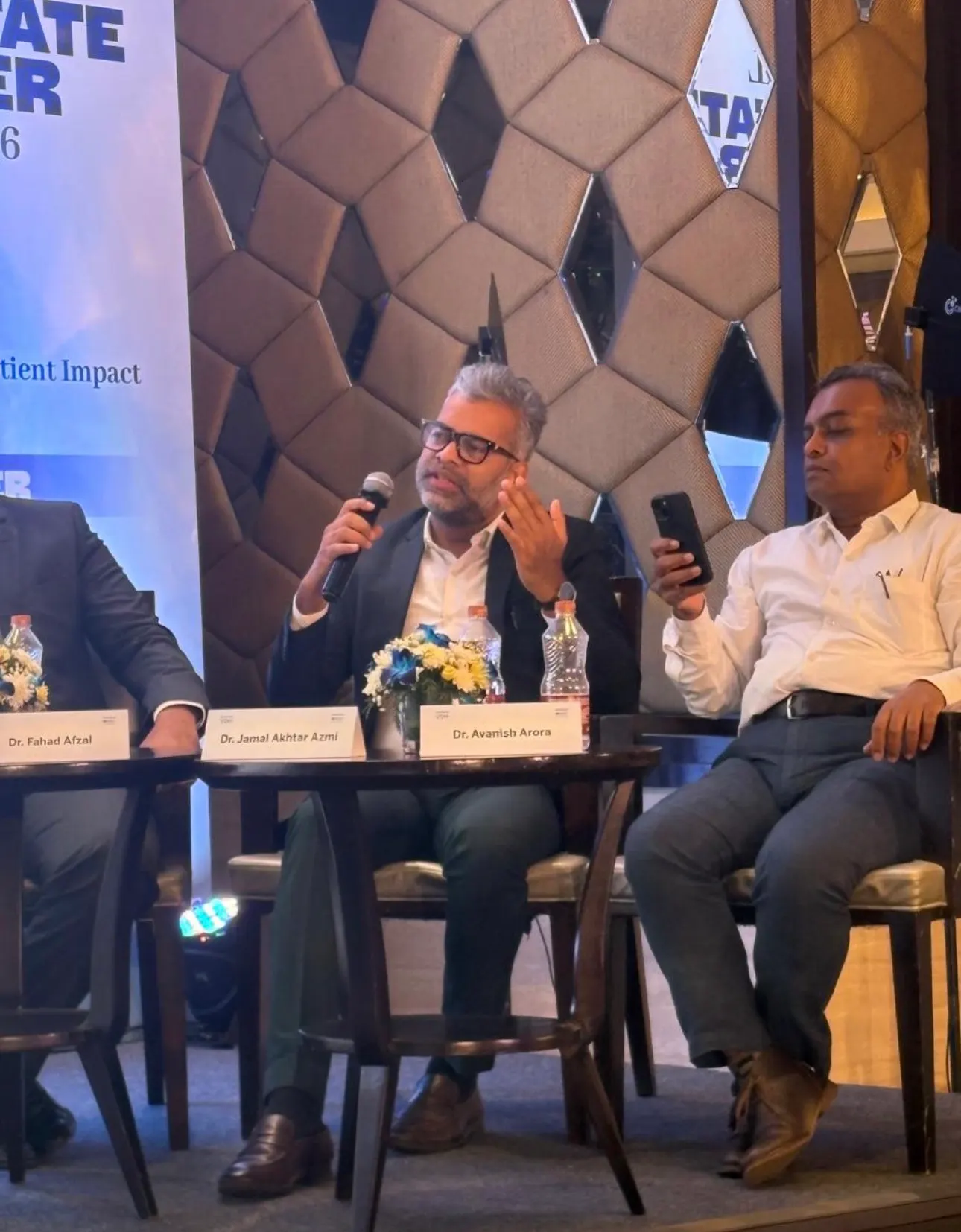


Inside Dr. Jamal Akhtar Azmi’s Urology Practice and Professional Work
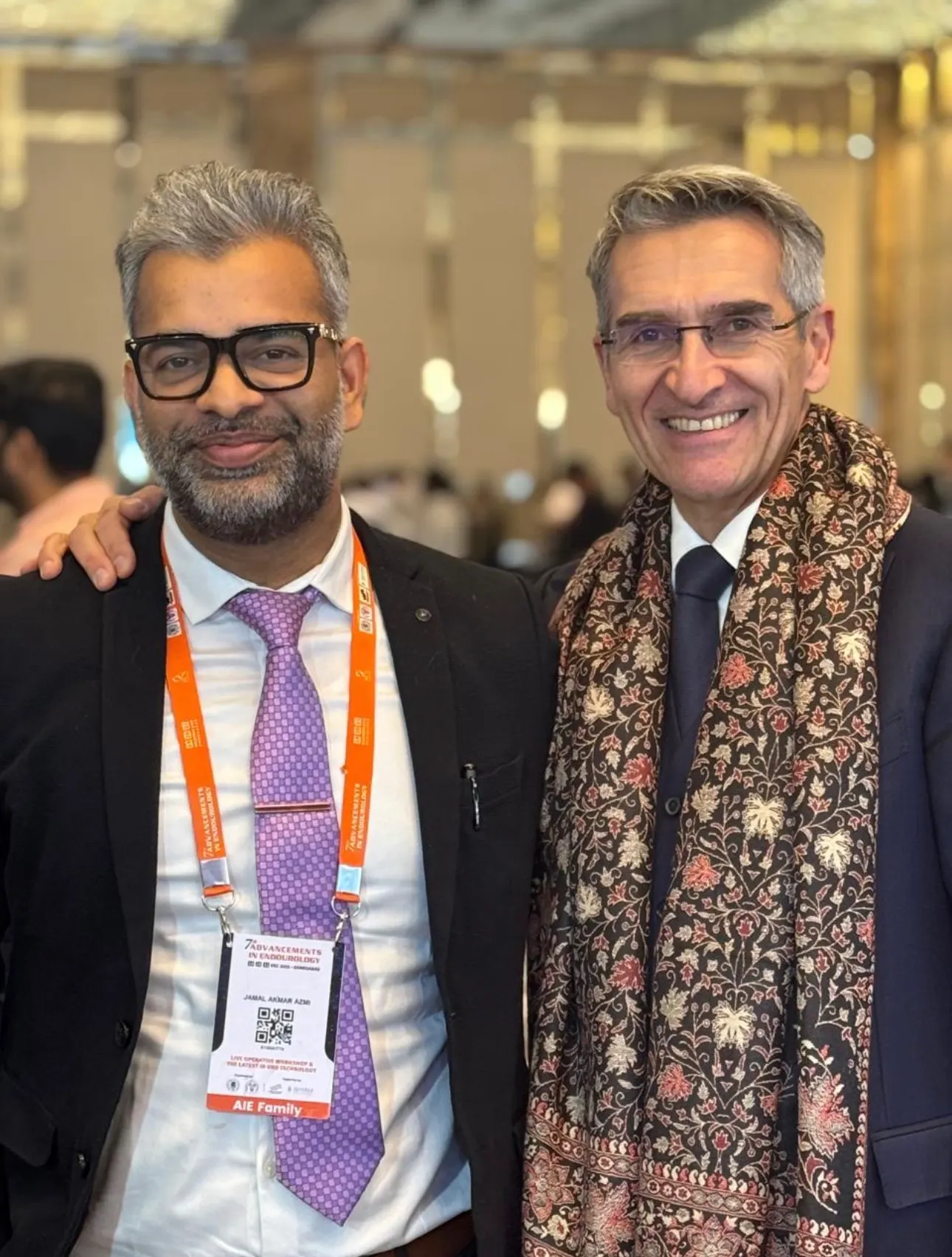
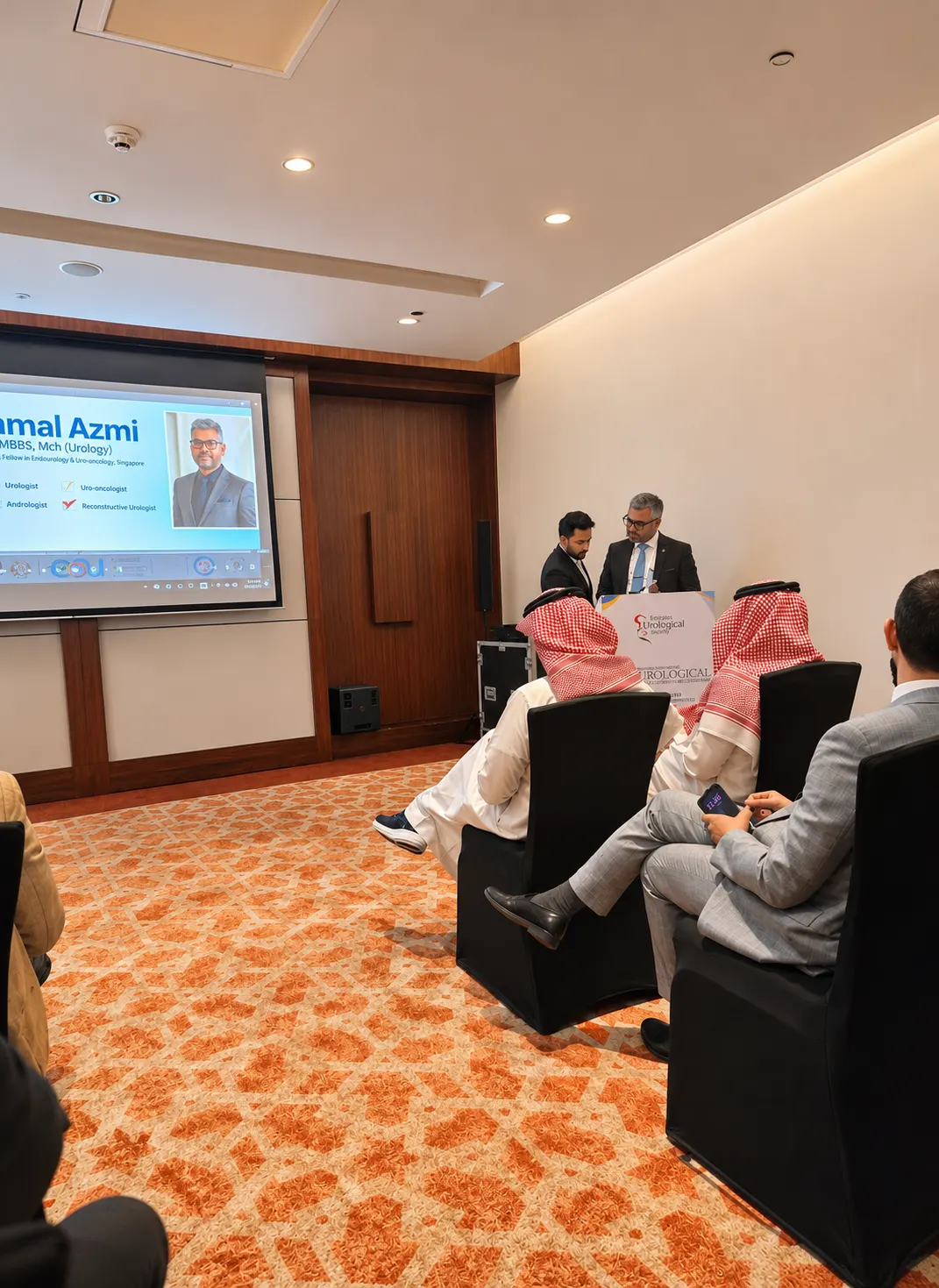
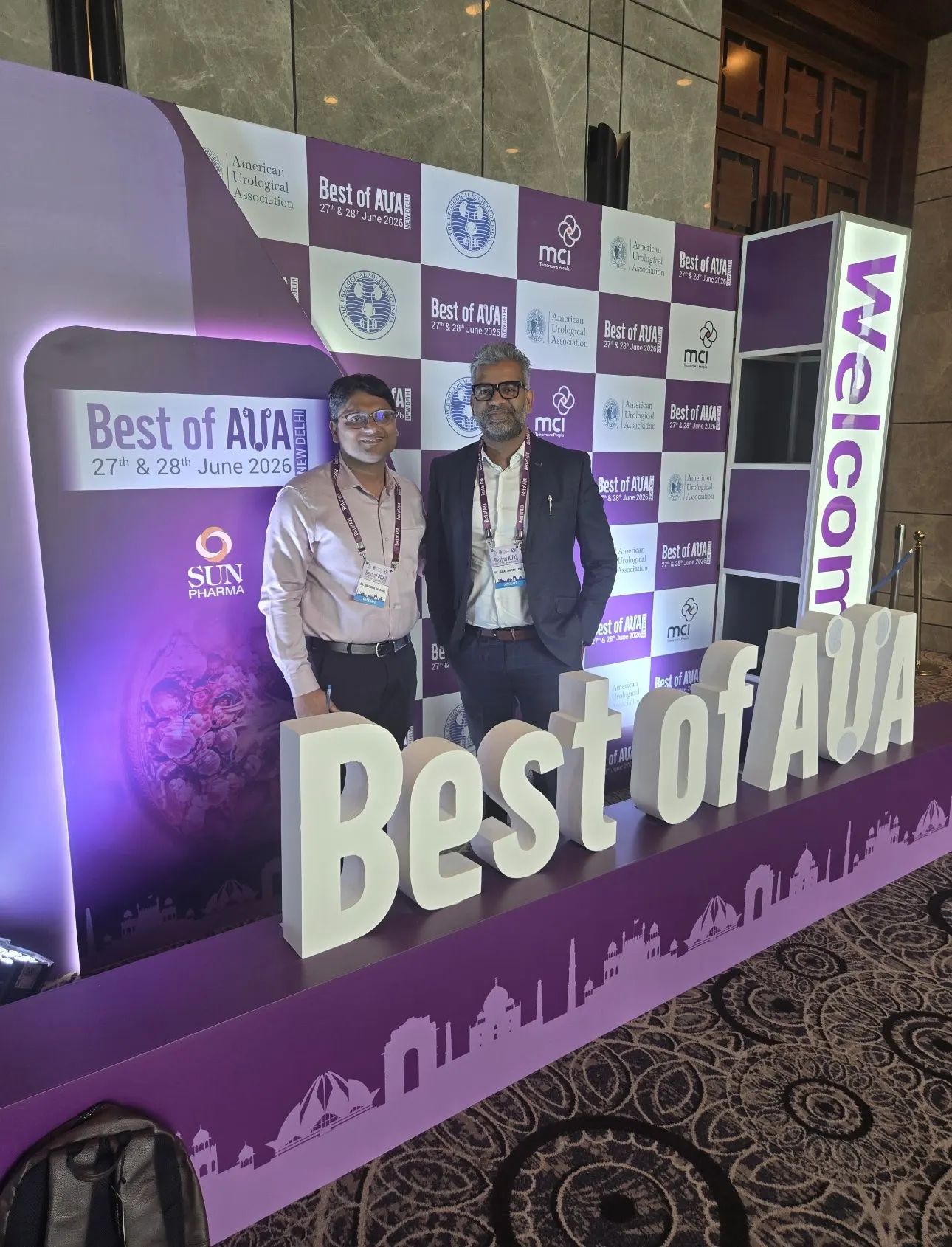
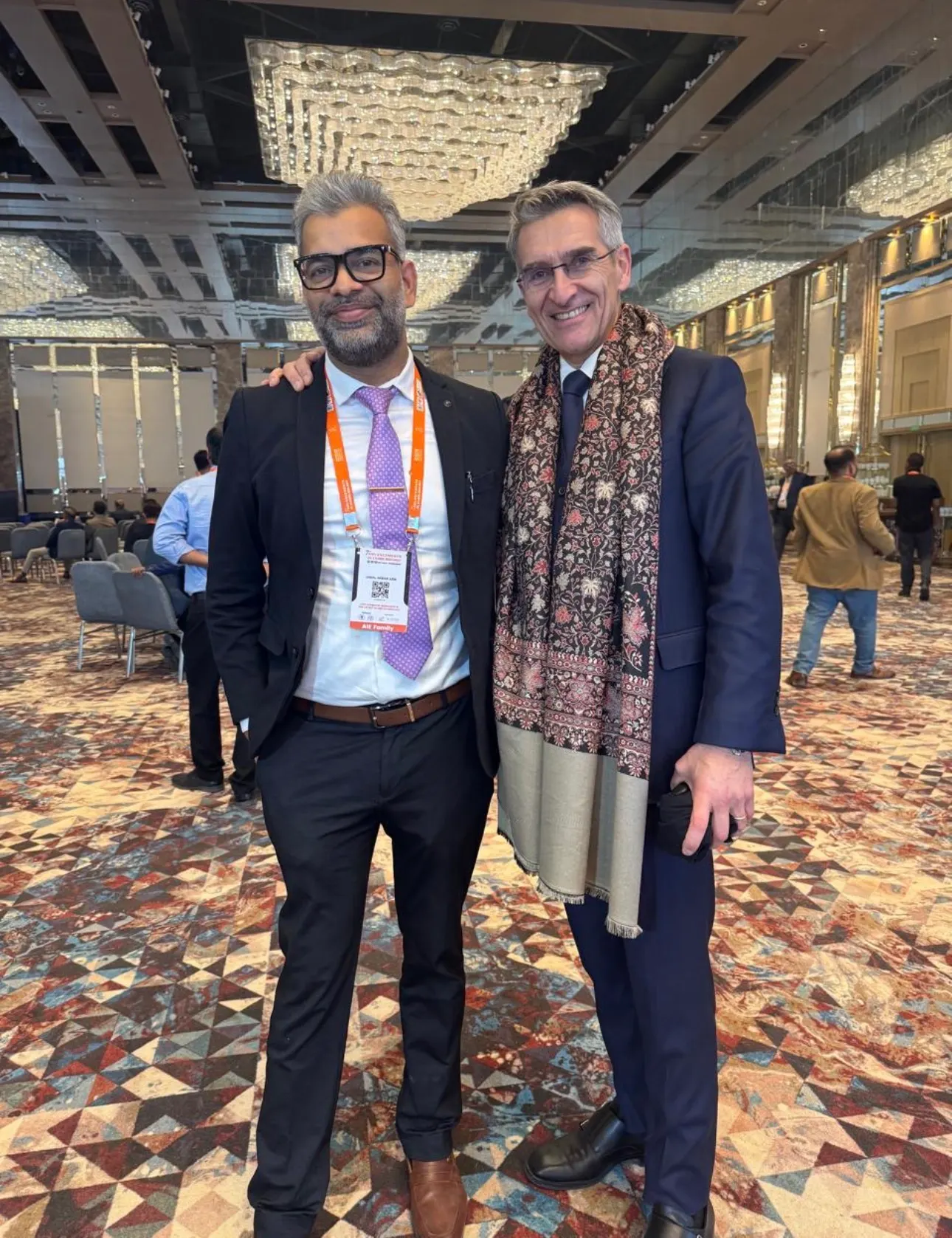
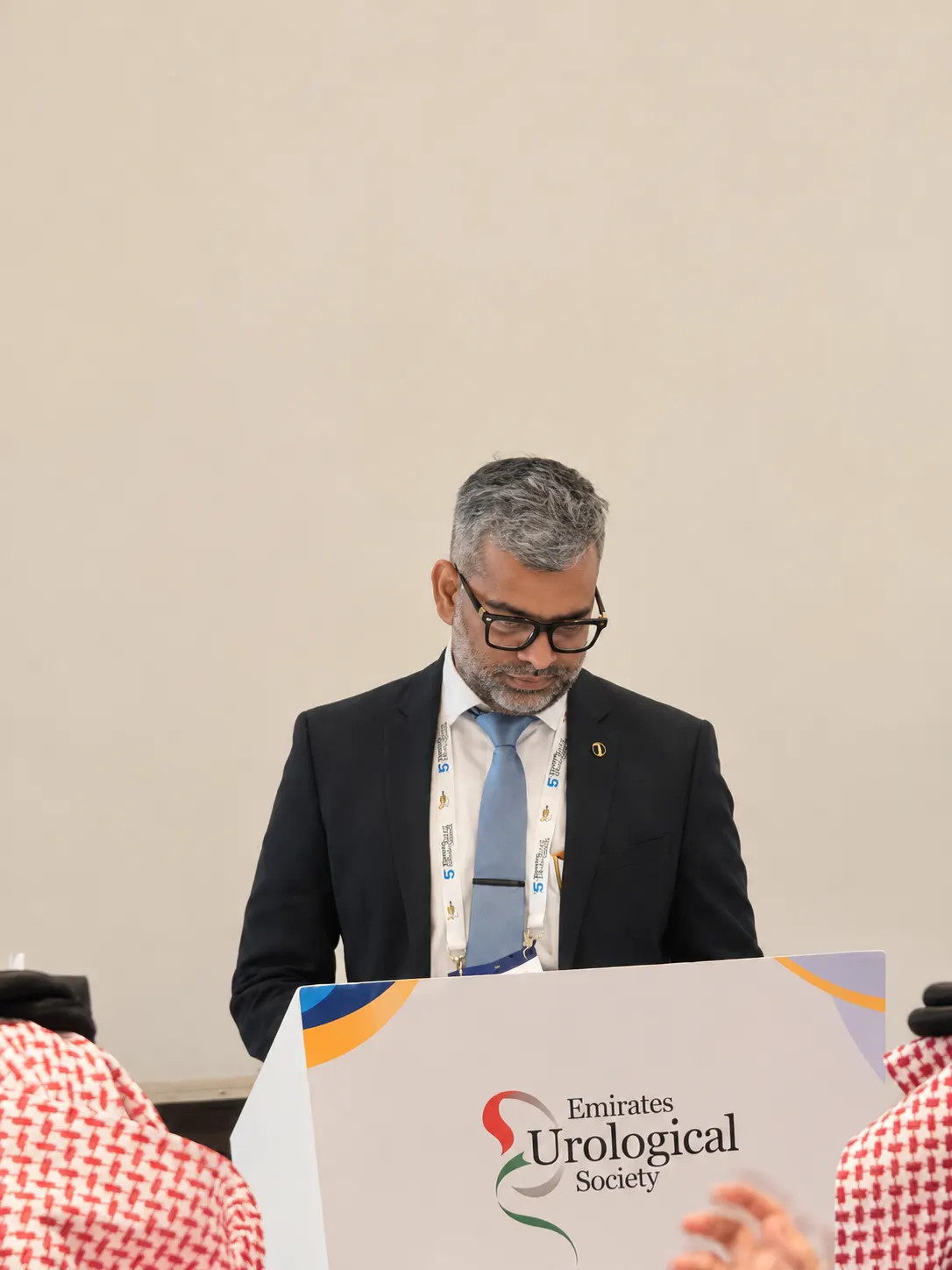
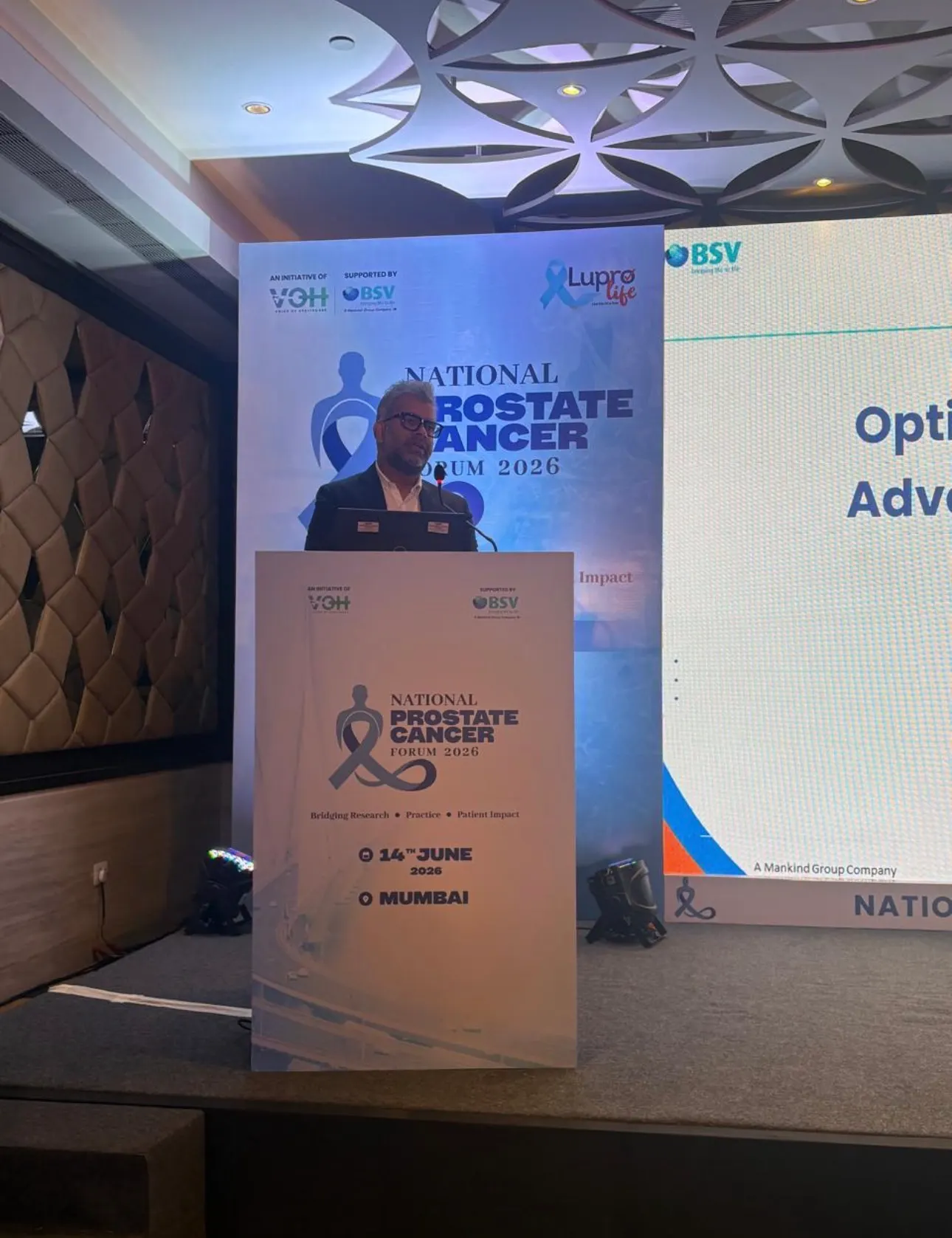
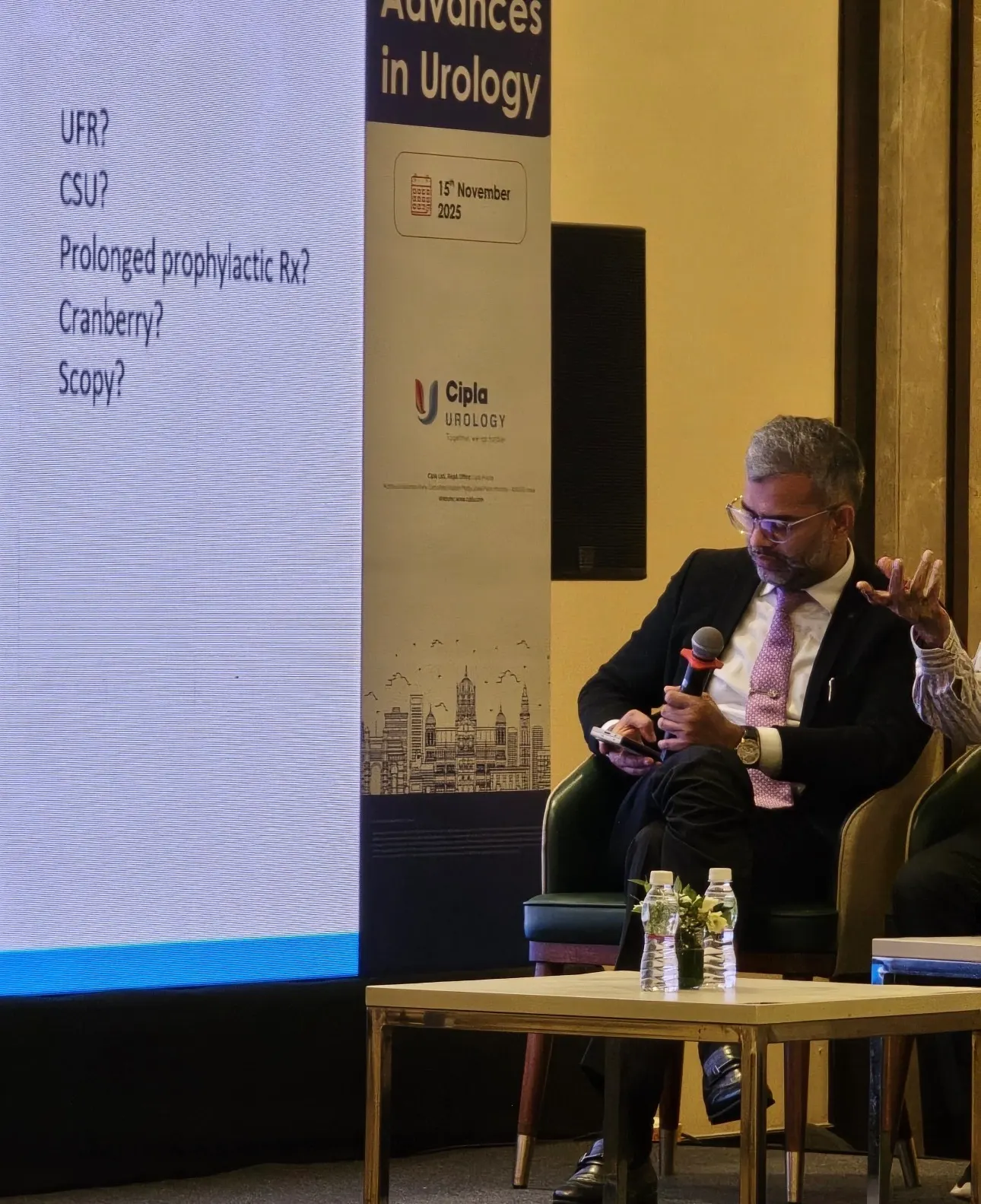
This gallery offers a visual introduction to the professional work of Dr. Jamal Akhtar Azmi, a consultant urologist, uro-oncologist and robotic surgeon in Mumbai. The photographs include urology conference lectures, expert panel discussions, professional meetings, robotic surgery facilities and clinical environments. Together, they show the different parts of specialist practice that patients may not normally see: continuing medical education, discussion with other clinicians, familiarity with technology and the careful review that supports treatment planning.
Photographs can provide useful context, but they cannot determine whether a doctor or procedure is right for a particular patient. A urological diagnosis depends on symptoms, examination, laboratory reports, imaging and, when appropriate, additional tests. The images on this page should therefore be viewed as a record of professional activity rather than evidence of a guaranteed result. Individual treatment advice is provided only after a proper medical assessment.
Urology, Uro-oncology and Robotic Surgery in Mumbai
Urology covers conditions affecting the urinary system in men and women, as well as the male reproductive system. Patients may seek a urologist for kidney stones, urinary blockage, recurrent urinary infections, blood in the urine, prostate enlargement, urethral stricture, difficulty passing urine or a suspected urological cancer. Some problems can be managed with medicines or monitoring, while others may require endoscopic, laparoscopic, open or robotic treatment.
Uro-oncology focuses on cancers involving organs such as the prostate, kidney, bladder and testis. Evaluation may involve blood tests, urine tests, ultrasound, CT or MRI scans, endoscopy and biopsy, depending on the suspected condition. Treatment is not selected from a single report in isolation. The patient’s age, general health, cancer stage, pathology, previous treatment and personal priorities all matter. Multidisciplinary discussion can also be valuable when a case involves oncology, radiology, pathology or radiation treatment.
Robotic surgery is one possible surgical approach for selected conditions. It allows the surgeon to operate through small incisions using magnified three-dimensional vision and articulated instruments. It may be considered for procedures such as robotic prostatectomy, partial or radical nephrectomy, pyeloplasty and selected reconstructive operations. However, robotic surgery is not automatically the best choice for every patient. Suitability depends on the diagnosis, disease extent, previous operations and the surgeon’s assessment. Patients should discuss expected benefits, limitations, recovery, alternatives and costs before deciding.
Why Medical Conferences and Expert Panels Matter
Several photographs show Dr. Azmi participating in urology and cancer-focused conferences. These meetings allow clinicians to review emerging evidence, compare treatment approaches and discuss difficult questions with colleagues. Topics may include prostate cancer assessment, bladder cancer management, kidney surgery, urinary reconstruction, stone treatment and methods for improving safety or recovery. Conference participation does not replace clinical experience, but it supports the continuing education expected in a changing medical field.
Panel discussions are especially useful because urological problems do not always have one correct solution. For example, the next step after a raised PSA depends on the PSA pattern, prostate examination, infection history, prostate size, MRI findings and other risk factors. Kidney stone treatment may involve observation, shock-wave treatment, ureteroscopy, RIRS or PCNL depending on stone size, location, anatomy and symptoms. Hearing how other specialists approach these decisions can help clinicians examine assumptions and stay familiar with current evidence.
What Patients Can Learn from This Gallery
The gallery is arranged as a continuous visual record rather than a before-and-after showcase. It includes professional events, operating technology and clinical settings so patients can understand the broader environment around specialist urology care. When reviewing any doctor’s website, patients should look beyond photographs and consider whether the information clearly explains the condition, available options, limitations and when urgent care may be required.
Useful questions to ask during a consultation include:
- What is the most likely diagnosis, and which findings support it?
- Are any additional blood tests, scans, endoscopy or biopsy needed?
- Can the condition be observed or treated without surgery?
- If surgery is advised, why is this approach preferred over the alternatives?
- What are the important risks, expected recovery and signs that require urgent attention?
- How could existing medicines or health conditions affect treatment?
Patients travelling from outside Mumbai or from another country can contact the clinic before making arrangements. Sharing recent reports, imaging summaries, pathology records and a current medication list may help the team understand the enquiry. The clinic can then advise which records should be brought to the appointment. A remote exchange of documents may support planning, but it does not replace examination or diagnostic review when these are clinically necessary.
Before a consultation, it can also help to write down when symptoms began, whether they are changing, any previous urology procedures and important family medical history. Bringing the actual scan files when available, rather than only a written summary, may give the clinician more information to review. Patients should seek urgent local medical care for severe pain, inability to pass urine, heavy bleeding, high fever or rapidly worsening symptoms instead of waiting for a routine appointment.
Patient Privacy and Responsible Medical Photography
Medical photography must respect privacy and consent. This gallery primarily uses professional, educational and facility images. It is not intended to expose confidential records or imply that one person’s experience predicts another’s outcome. Where clinical images are used in medical education, appropriate consent and de-identification are important. Visitors should also avoid sending private medical documents through public social-media comments; the clinic’s direct contact channels are more appropriate for requesting guidance about secure record sharing.
Frequently Asked Questions About Dr. Jamal Azmi’s Gallery
FAQs
What does this gallery show?
It documents Dr. Jamal Akhtar Azmi’s participation in urology and uro-oncology conferences, expert discussions, professional events, robotic surgery settings and clinical facilities in Mumbai.
Does Dr. Jamal Azmi perform robotic urology surgery?
Dr. Azmi is a consultant urologist, uro-oncologist and robotic surgeon. Robotic surgery may be considered for selected urological conditions, but the appropriate approach can be recommended only after the diagnosis, imaging and overall health have been reviewed.
Can patients from outside Mumbai request a consultation?
Yes. Out-of-Mumbai and international patients can contact the clinic to request an appointment and ask which reports should be shared or carried. Travel should be planned after the team confirms the appropriate next step.
Do these photographs guarantee a treatment result?
No. They provide professional and educational context. Results and recovery vary according to the condition, its severity, the chosen treatment and individual health factors.