My Urethral Stricture Keeps Coming Back After DVIU—Do I Need Urethroplasty?
When urine flow improves after DVIU or dilation and then becomes weak again, it can feel like you are back at the beginning. Recurrent urethral stricture is not a personal failure. It happens because an endoscopic cut opens scar tissue but does not always provide a durable reconstruction of the diseased urethra.
The next decision should be based on where the stricture is, how long it is, why it developed, how many procedures you have already had and how much healthy tissue remains. A second DVIU is not automatically wrong, but repeating the same treatment without remapping the stricture can delay a more durable solution.
Quick answer
- DVIU works best in selected short, favorable strictures.
- Recurrence is more likely with longer, dense, penile or repeatedly treated scars.
- Urethroplasty reconstructs the narrowed segment and is often discussed after failed endoscopic treatment.
- The operation may reconnect healthy ends or widen the urethra with an inner-cheek graft.
- Accurate imaging before another procedure is essential.
What is a urethral stricture?
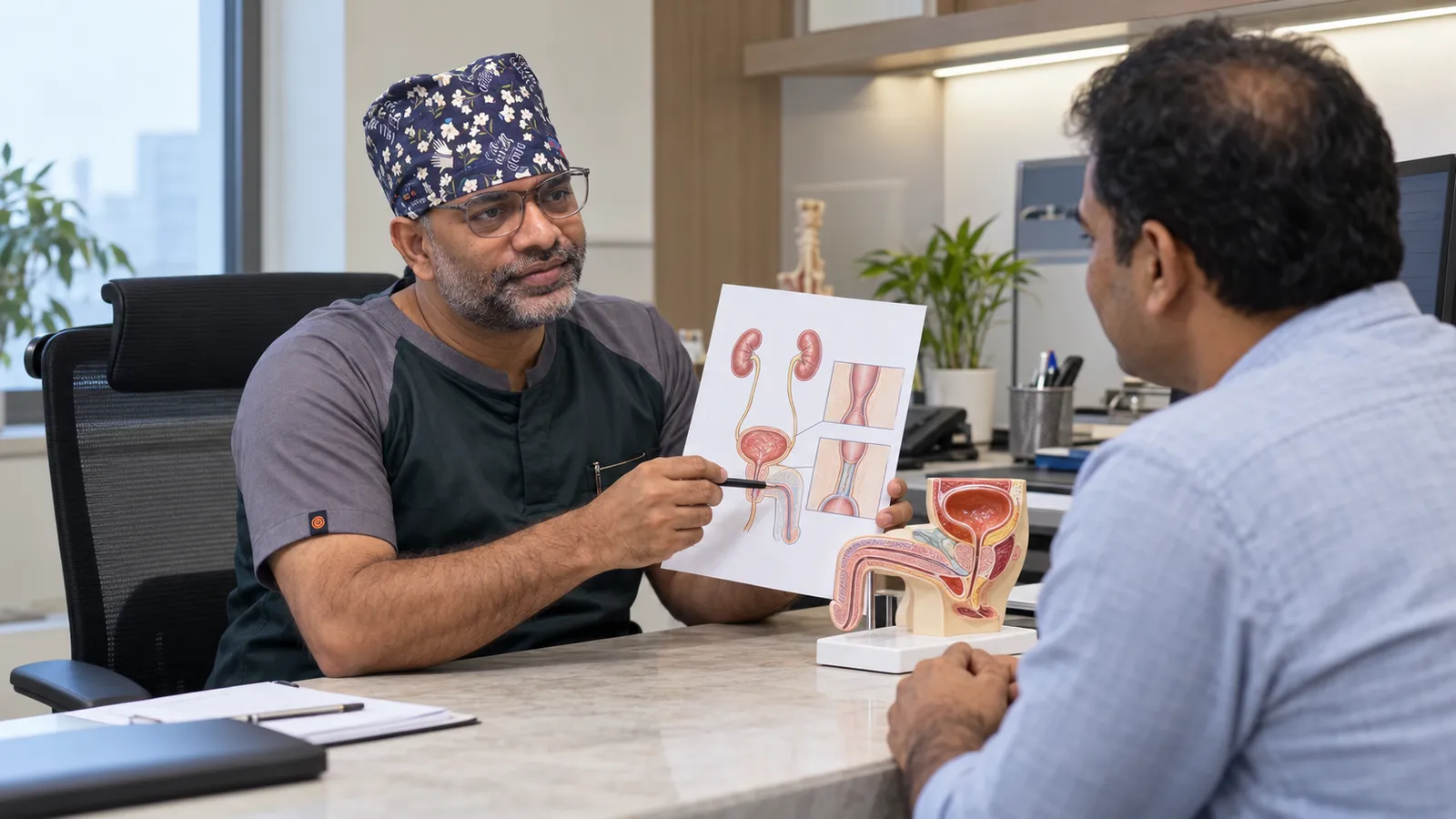
A stricture is scar tissue that narrows the urethra, the tube carrying urine out of the bladder. Symptoms include a weak or spraying stream, straining, incomplete emptying, prolonged urination, recurrent infection, dribbling and, in severe cases, complete retention.
Causes include previous catheter or instrument injury, pelvic trauma, infection, inflammation such as lichen sclerosus, prior hypospadias surgery and radiation. Sometimes no single cause is identified.
What does DVIU do?
Direct Visual Internal Urethrotomy passes a scope through the urethra and incises the scar from inside. It avoids an external incision and recovery is usually shorter. It can be useful for a first, short bulbar stricture with favorable tissue. However, the cut heals again, and recurrent scarring can narrow the channel.
Why can repeated DVIU or dilation become less useful?
Each endoscopic treatment may provide temporary relief, but durability tends to fall when a stricture has already returned. Repeated instrumentation may lengthen or densify scarring in some patients. It also postpones definitive reconstruction while the bladder continues to work against resistance.
Repeat DVIU may still be considered for a very short recurrence, for patients unable to undergo reconstruction, or as part of a shared decision that accepts likely retreatment. Drug-coated balloons are an emerging option for selected recurrent bulbar strictures, but eligibility, long-term evidence, availability and cost must be reviewed carefully.
How should a recurrent stricture be evaluated?
- History: prior DVIU, dilation, urethroplasty, catheterisation, trauma, radiation and infections.
- Uroflowmetry: measures stream pattern and maximum flow.
- Post-void residual: checks urine left in the bladder.
- Retrograde urethrogram: outlines the site and length of narrowing.
- Voiding cystourethrogram: may show the posterior urethra and bladder neck.
- Cystoscopy: selectively examines the channel and tissue.
Do not proceed to another operation using only the word “stricture.” Reconstruction depends on a precise map.
What is urethroplasty?
Urethroplasty repairs or replaces the narrowed urethral segment. The technique is tailored rather than one-size-fits-all.
Excision and primary anastomosis
For selected short bulbar strictures, the scarred segment is removed and healthy urethral ends are reconnected. Whether transecting or vessel-sparing methods are appropriate depends on anatomy and surgeon judgement.
Buccal mucosal graft urethroplasty
For longer strictures, a strip of lining from inside the cheek can widen the urethra. Buccal mucosa is hairless, accustomed to a moist environment and widely used in reconstruction. Temporary cheek soreness, tightness or numbness can occur.
Penile, pan-urethral and staged repair
Long or complex disease—especially lichen sclerosus, failed hypospadias repair or extensive prior surgery—may need a graft, flap, combined approach or staged reconstruction. These cases benefit from an experienced reconstructive urologist.
Recovery after urethroplasty
Hospital stay varies with the procedure and health of the patient. A urethral catheter usually remains while the repair heals, commonly around two to three weeks. Some patients also have a suprapubic catheter. Walking is encouraged, but cycling, heavy lifting, sexual activity and straddling pressure are restricted until cleared.
Seek prompt help for fever, worsening swelling, uncontrolled pain, catheter blockage, heavy bleeding or urine leaking around a catheter with bladder discomfort.
Questions about sexual function and fertility
Most discussions focus on urine flow, but patients should ask about erections, ejaculation, penile curvature, fertility and perineal sensation. Effects depend on stricture site, cause and operation. A clear preoperative baseline helps meaningful follow-up.
Cost and planning for domestic or international patients
Cost depends on repair complexity, graft requirement, hospital stay, imaging, anaesthesia and previous operations. International patients should send the actual RGU/MCU images, cystoscopy notes, prior operative records, urine culture and medication list. Ask how long to remain in Mumbai, whether catheter removal can occur locally, and what happens if flow worsens after returning home.
How Dr. Jamal Azmi can help
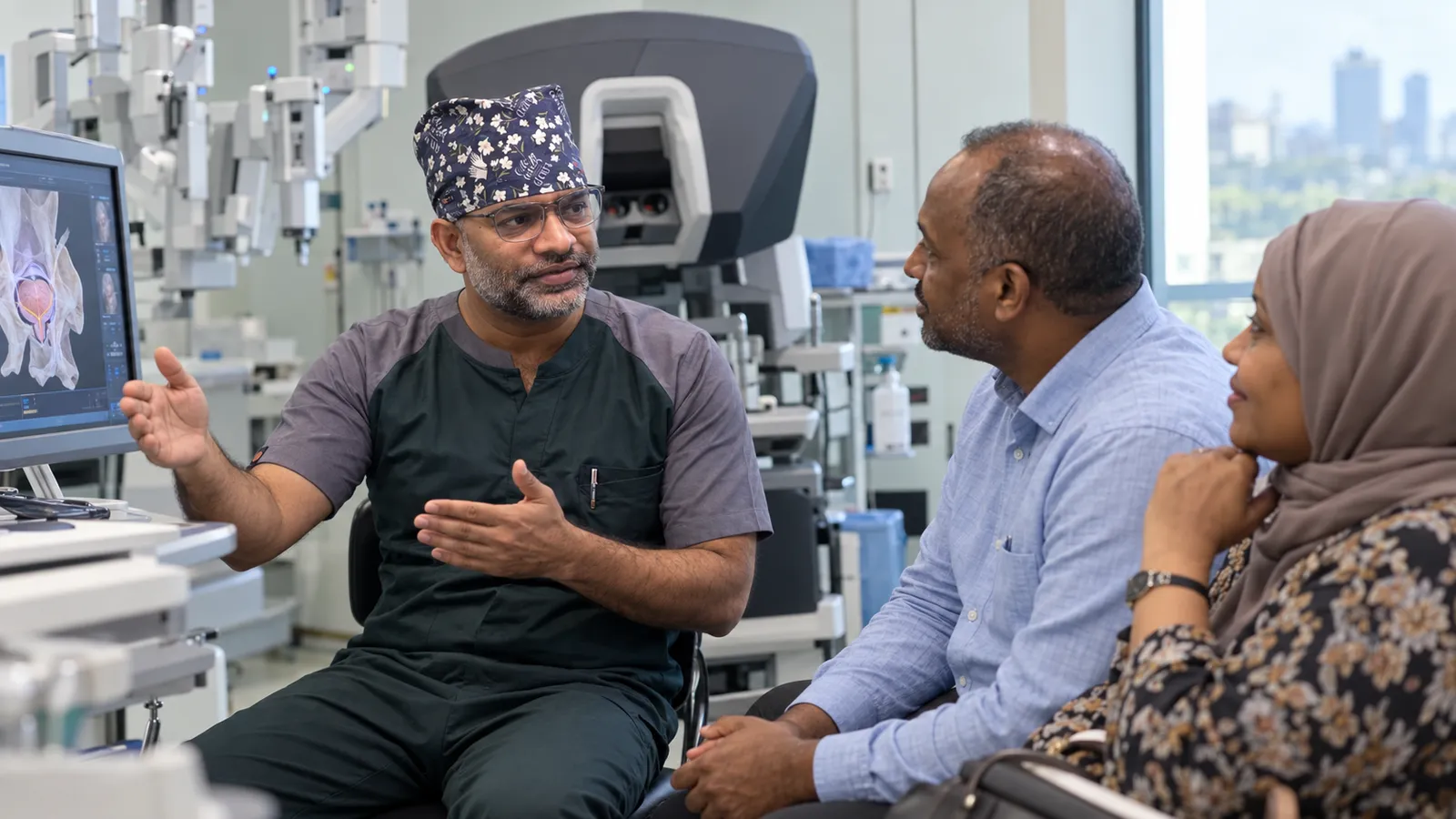
Dr. Jamal Akhtar Azmi’s practice includes reconstructive urology and evaluation of recurrent urethral strictures. The goal is to define the stricture before choosing repeat endoscopic treatment, graft urethroplasty or another individualized reconstruction.
Explore reconstructive urology care
Medical references
Last medically reviewed: 31 October 2026. This guide cannot determine the correct operation without examination and imaging.
Recurrent Urethral Stricture
Frequently Asked Questions
Why did my urethral stricture return after DVIU?
DVIU cuts scar tissue but does not remove or replace the diseased segment. Longer, dense, penile or previously treated strictures are more likely to recur. The cause, site, length and amount of spongiofibrosis affect the result.
Should I have a second DVIU for a recurrent stricture?
A repeat endoscopic procedure may be reasonable in carefully selected short recurrences or when reconstruction is unsuitable. Repeated DVIU or dilation has diminishing durability in many recurrent strictures and can make the scar more complex. A reconstructive-urology opinion is advisable.
What tests are needed before urethroplasty?
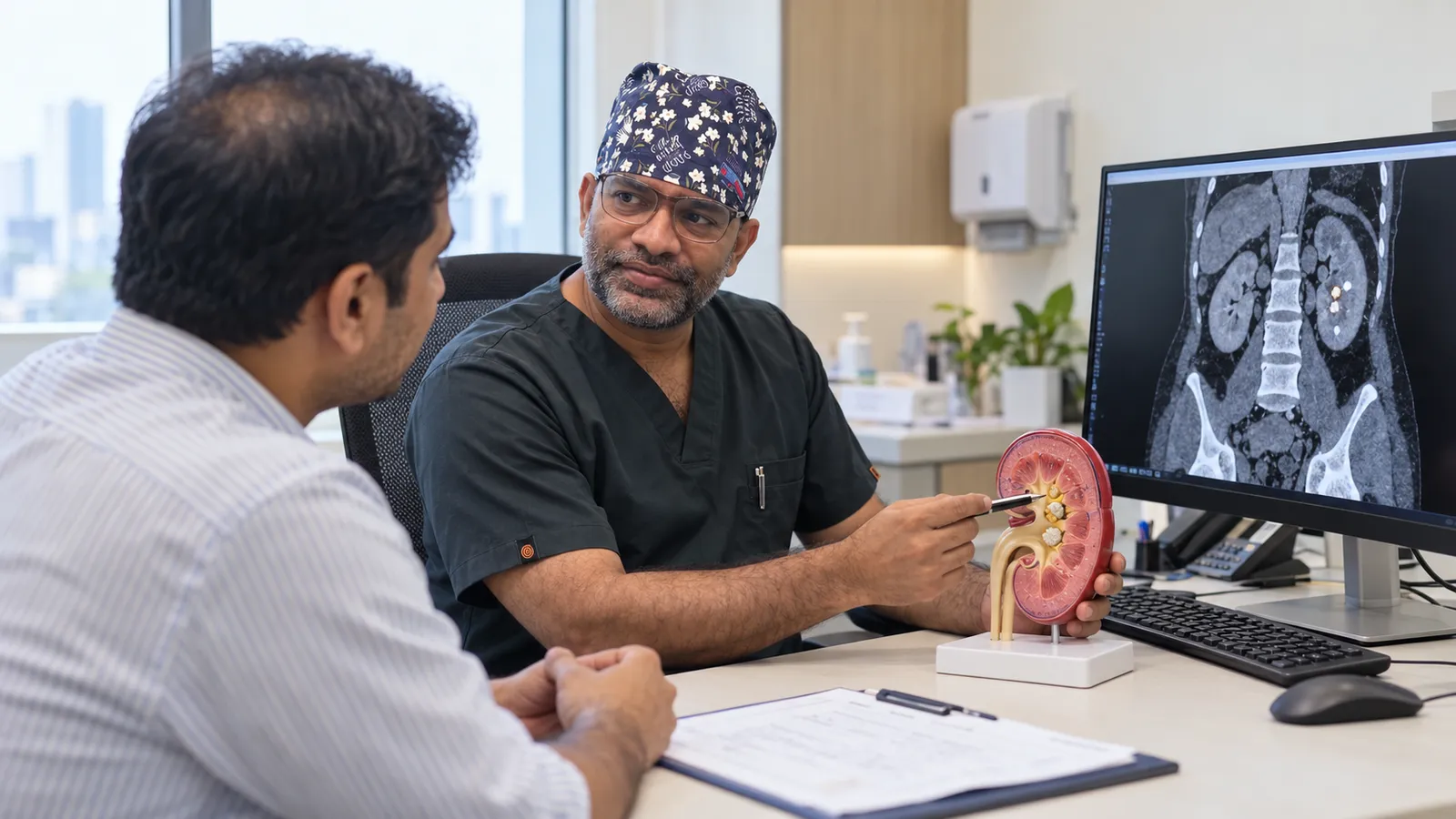
Common evaluation includes symptom and procedure history, uroflowmetry, post-void residual urine and imaging such as retrograde urethrogram with or without voiding cystourethrogram. Cystoscopy and urine culture may also be used. The exact plan depends on the stricture.
Is cheek tissue always used in urethroplasty?
No. A short bulbar stricture may be removed and reconnected in selected cases. Longer strictures may require augmentation with buccal mucosa from the inner cheek. Penile or pan-urethral disease may need different grafts, flaps or staged reconstruction.
How long is the catheter kept after urethroplasty?
Catheter duration varies by repair and surgeon, often around two to three weeks, but it may be shorter or longer. Some teams perform imaging before removal. Follow the individual discharge plan and never remove the catheter without instructions.
Can urethral stricture return after urethroplasty?
Yes, recurrence is possible after any treatment, although properly selected urethroplasty generally offers more durable control than repeated endoscopic treatment. Follow-up may include symptoms, uroflowmetry, residual urine and cystoscopy when indicated.