Enlarged Prostate (BPH): Warning Signs and Modern Treatment Options
If you are a man over the age of 50 and find yourself waking up multiple times a night to use the bathroom, or struggling with a weak urinary stream, you are not alone. These are the hallmark signs of an Enlarged Prostate, medically known as Benign Prostatic Hyperplasia (BPH).
BPH is an incredibly common, non-cancerous condition. While it is not life-threatening, the disruption it causes to your daily routine and sleep quality can be profound. From daily medications to highly advanced, minimally invasive laser therapies, modern urology offers excellent solutions.
Key Takeaways
- BPH is benign: It means the prostate gland has grown larger, but it is not prostate cancer.
- Core symptoms include frequent urination (especially at night), a hesitant or weak stream, and the feeling that your bladder is never truly empty.
- Advanced surgical options like HoLEP (Holmium Laser), Rezūm, and UroLift offer long-term relief with minimal hospital stays and excellent preservation of sexual function.
Early Warning Signs and Symptoms of BPH
Symptoms of BPH tend to worsen gradually over time. They are generally categorized into two groups:
- Hesitancy: Trouble starting the urine stream, requiring you to push or strain.
- Weak Stream: The urine flow is noticeably weaker than it used to be.
- Frequency: Needing to urinate more than eight times a day.
- Nocturia: Waking up two or more times during the night to urinate.
- Incomplete Emptying: The persistent feeling that you haven't fully emptied your bladder.
Treatment Options: From Medication to Laser Surgery
If your symptoms are mild, your doctor may simply recommend "watchful waiting." If symptoms are troublesome, active treatment falls into two categories:
Medical Management (Pills)
- Alpha-Blockers: Relax the muscles around the neck of the bladder and the prostate, improving urine flow almost immediately.
- 5-Alpha Reductase Inhibitors: Block the hormones that cause prostate growth, slowly shrinking the gland over several months.
Advanced Minimally Invasive and Laser Surgeries
If medications fail or the prostate is severely blocking urine, modern surgeries offer fast recovery without large incisions.
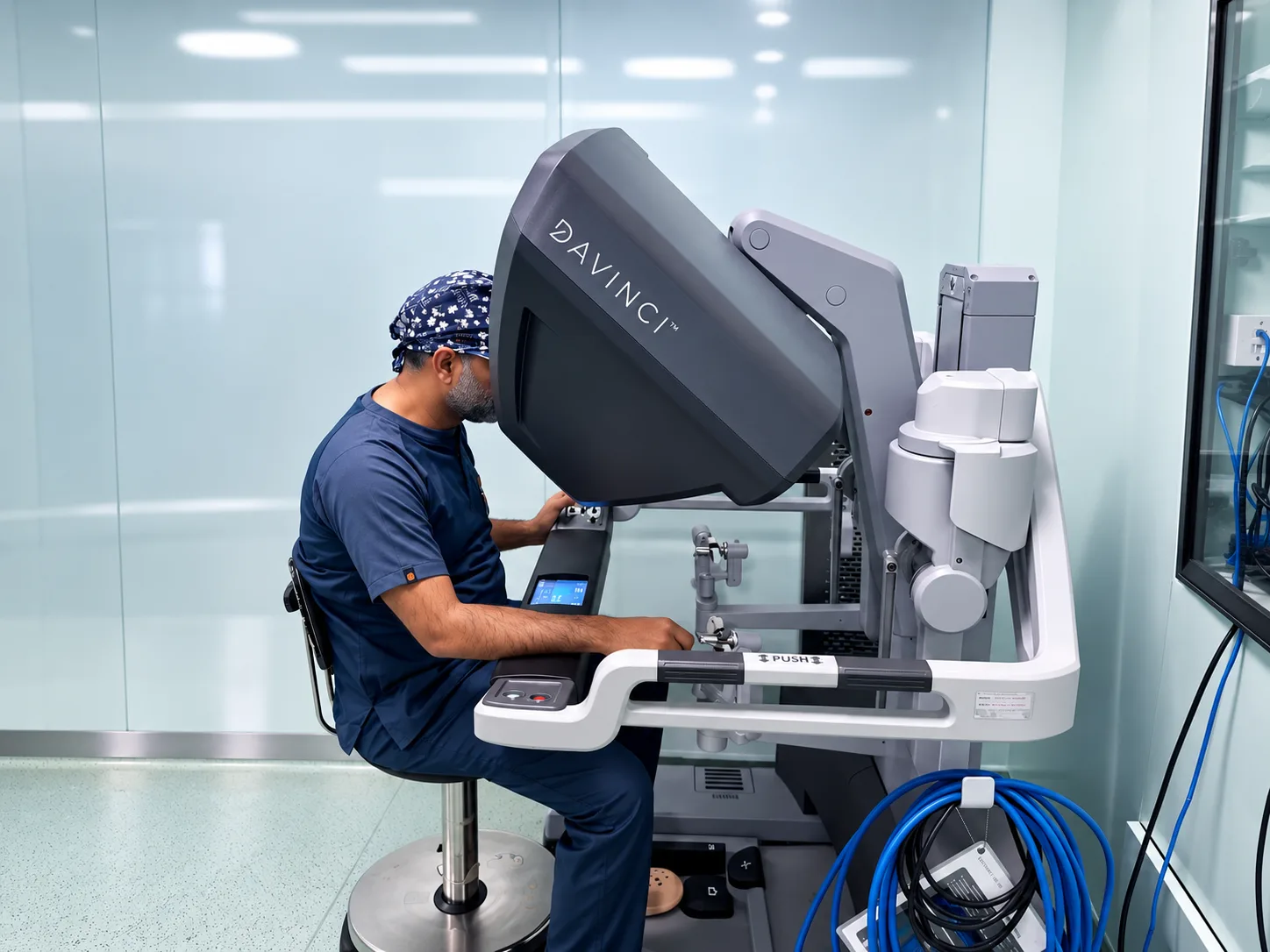
- Holmium Laser Enucleation of the Prostate (HoLEP): A highly advanced procedure using a precision laser to remove the obstructive prostate tissue entirely. Suitable for prostates of any size with minimal bleeding risk.
- Rezūm (Water Vapor Therapy): Uses sterile water vapor (steam) injected directly into the prostate to safely destroy excess tissue. Highly effective at preserving normal sexual function.
- UroLift: Tiny permanent implants are placed to pull and hold the enlarged prostate lobes apart, opening the urethra. No cutting or heating involved.
Enlarged Prostate (BPH)
FAQs
Can an enlarged prostate (BPH) turn into prostate cancer?
No. BPH is a benign (non-cancerous) enlargement of the prostate transition zone and does not transform into prostate cancer. However, both conditions can cause similar urinary symptoms and can coexist simultaneously, which is why routine urological screening and PSA testing are vital for men over 50.
Does prostate surgery cause erectile dysfunction or sexual side effects?
Traditional TURP surgery can lead to retrograde ejaculation (dry orgasm), though erectile function is generally preserved. Modern minimally invasive alternatives such as UroLift and Rezūm water vapor therapy are specifically designed to preserve both erectile function and normal ejaculation with zero cutting of tissue.
Can enlarged prostate symptoms be managed without surgery?
Yes. Mild to moderate BPH is often effectively managed with medications such as alpha-blockers (to relax the bladder neck) and 5-alpha reductase inhibitors (to shrink prostate tissue), combined with lifestyle modifications. Surgery is reserved for patients with severe symptoms, recurrent UTIs, bladder stones, or urinary retention.
How do I know if I need UroLift, Rezūm, or Laser TURP?
The choice depends on your prostate size, anatomy (such as the presence of a median lobe), symptom severity, and sexual preservation goals. During your evaluation, Dr. Azmi uses uroflowmetry, ultrasound, and symptom scoring to recommend the least invasive, most effective option for your specific prostate anatomy.
What happens if an enlarged prostate is left untreated?
Leaving severe BPH untreated can cause acute urinary retention (inability to urinate requiring emergency catheterization), recurrent bladder infections, bladder stones, permanent bladder wall damage, and even irreversible kidney damage from chronic backpressure.