Kidney Stones: Understanding Symptoms, Size, and Treatment Options
Kidney stones are notorious for causing some of the most intense pain a person can experience. If you have been diagnosed with a kidney stone, or if you are currently experiencing the hallmark sharp pain in your back or side, you likely have two urgent questions: Will this pass on its own? and What do I need to do to make the pain stop?
The good news is that modern urology offers highly effective, minimally invasive treatments. Major open surgery for kidney stones is largely a thing of the past.
Key Takeaways
- Kidney stones are hard deposits of minerals and salts that form inside your kidneys.
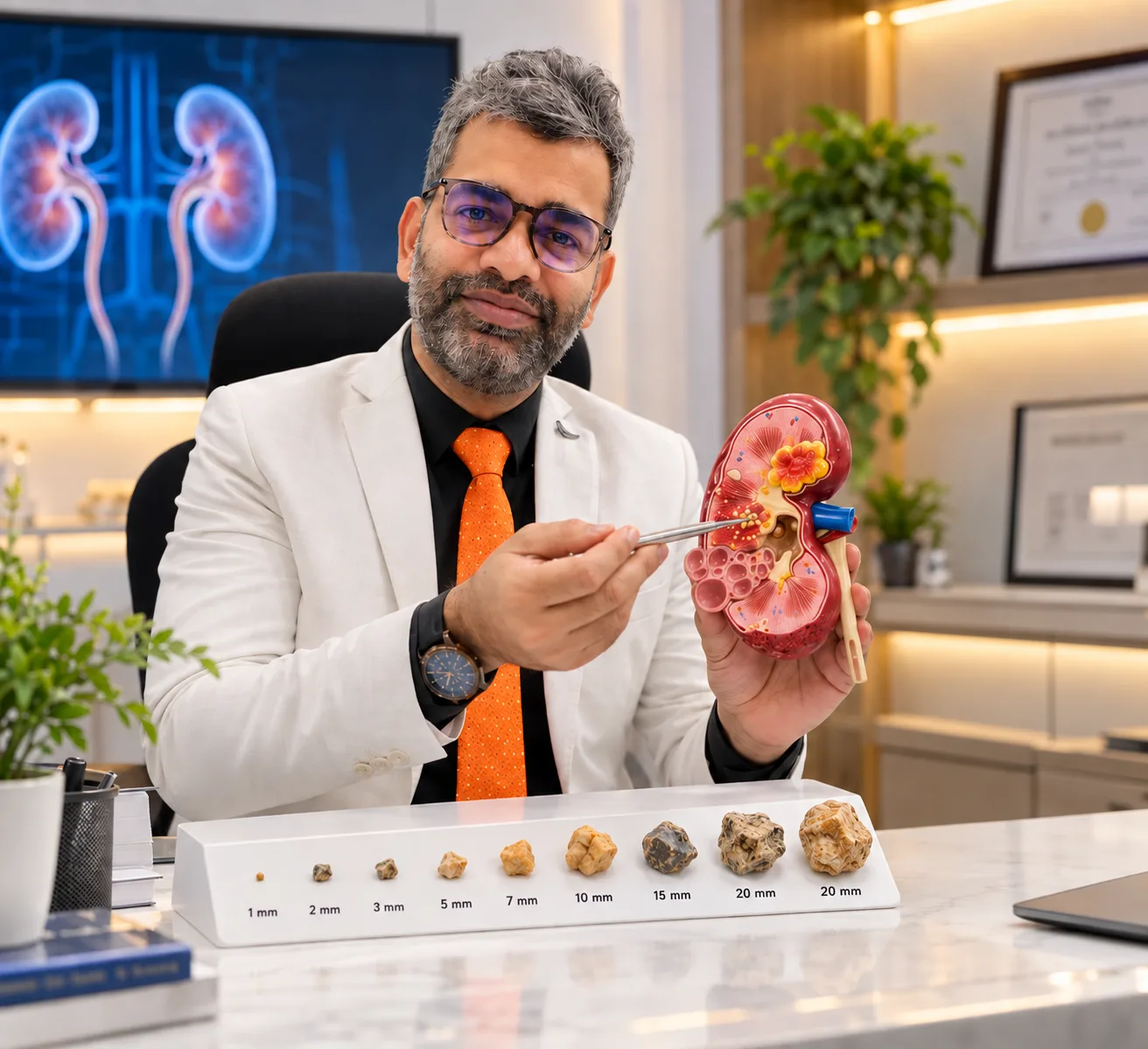
- The size of the stone is the biggest predictor of whether it will pass naturally. Stones under 5mm usually pass, while stones over 7mm often require intervention.
- Laser surgery (RIRS/URSL) and Shockwave therapy (ESWL) are advanced day-care procedures available in Mumbai that break stones into dust without incisions.
Will My Kidney Stone Pass Naturally? (Size Chart)
The most common question patients ask is whether they need surgery. The answer largely depends on the size and location of the stone.
| Stone Size | Probability of Passing Naturally | Typical Management Strategy |
|---|---|---|
| 1mm - 4mm | High (80% - 90%) | Hydration, pain relievers, Medical Expulsive Therapy (MET). |
| 5mm - 6mm | Moderate (50% - 60%) | MET medications to relax the ureter, close monitoring. |
| 7mm - 9mm | Low (20% - 25%) | Often requires surgical intervention (URSL or ESWL). |
| 10mm+ | Very Low | Surgical intervention (Laser Lithotripsy, RIRS, or PCNL) required. |
Advanced Treatment Options: When Surgery is Needed
If your stone is too large to pass naturally, is causing unbearable pain, or is damaging kidney function, a urologist will recommend removing it. Today's procedures are highly advanced and minimally invasive.
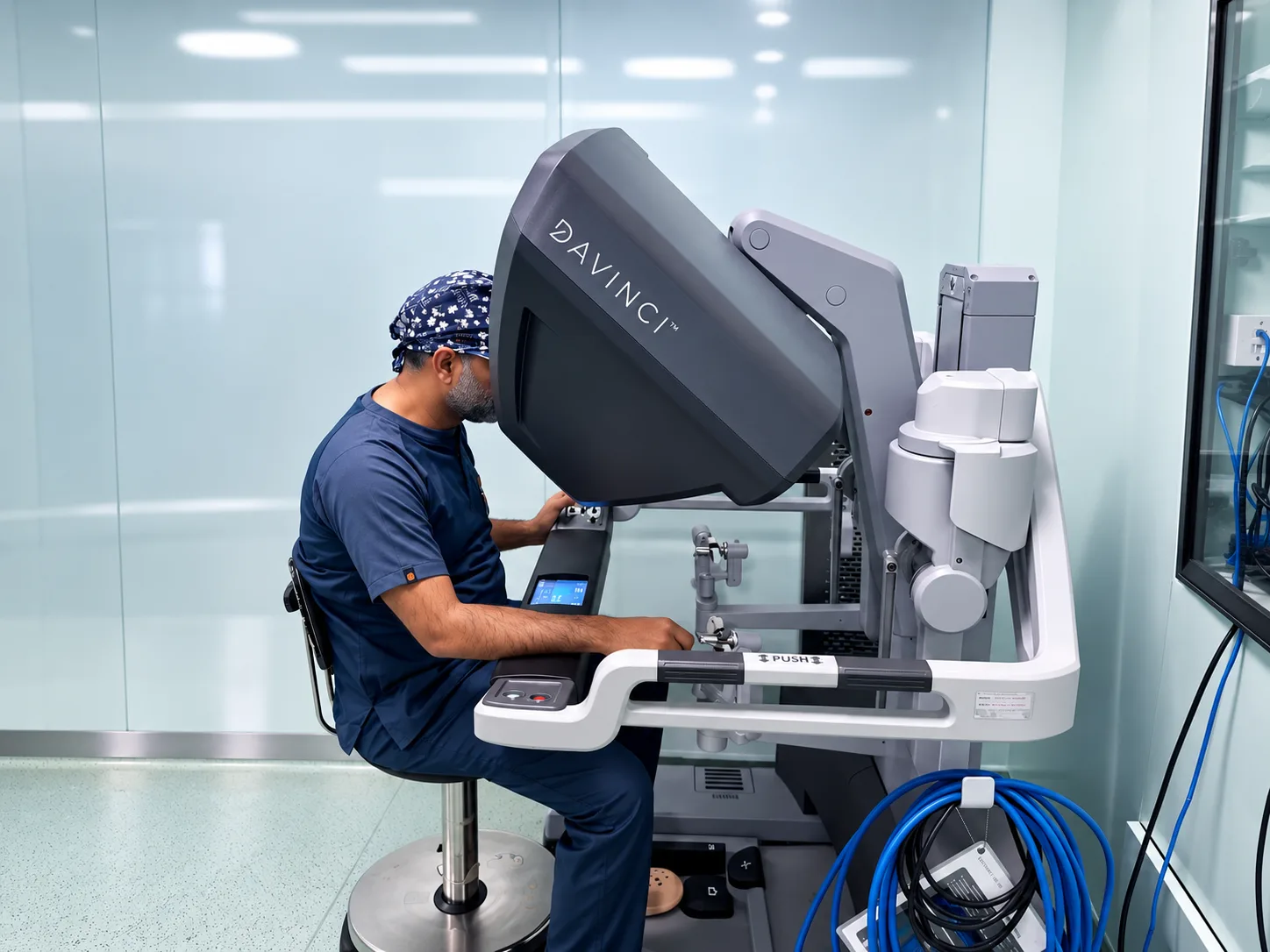
- Ureteroscopy with Laser Lithotripsy (URSL / RIRS): A thin scope is passed through the urethra into the ureter. No cuts are made on the body. A precision holmium laser blasts the stone into fine dust.
- Extracorporeal Shock Wave Lithotripsy (ESWL): Sound waves are directed from outside the body to create strong vibrations that break stones in the kidney into tiny pieces.
- Percutaneous Nephrolithotomy (PCNL): Used for very large stones. A small keyhole incision is made in the back to directly access and remove the stone.
Kidney Stones
FAQs
How painful is laser kidney stone surgery (RIRS / PCNL)?
The procedure itself is performed under general or regional anesthesia, ensuring you feel absolutely no pain during surgery. Post-operatively, patients typically experience only mild urinary urgency or mild flank soreness for a couple of days, which is easily managed with oral medications.
How long does it take to pass a kidney stone naturally?
Stones smaller than 4mm typically pass within 1 to 2 weeks with hydration and medical expulsive therapy. Stones between 4mm and 6mm have a 50% chance of passing within 3 to 4 weeks. Any stone larger than 6mm or causing persistent obstruction, severe pain, or fever requires immediate urological intervention to protect kidney function.
What is the difference between RIRS and PCNL for stone removal?
RIRS (Retrograde Intrarenal Surgery) is completely incisionless—a flexible scope enters via the urethra and a Holmium laser pulverizes the stone. PCNL (Percutaneous Nephrolithotomy) is a keyhole surgery performed through a tiny 1cm puncture in the back, typically reserved for large stones exceeding 2cm or complex staghorn stones.
Can drinking beer or excessive water dissolve kidney stones?
This is a common myth. Beer does not dissolve stones; alcohol can lead to dehydration, worsening stone formation. While drinking 2.5 to 3 liters of water daily helps flush out small particles, existing stones cannot be chemically dissolved by water or diet once formed.
How can I prevent kidney stones from recurring after treatment?
Stone recurrence can be reduced by over 80% through tailored preventive care: stay well-hydrated to produce clear urine, reduce dietary sodium (salt), moderate animal protein intake, and undergo a 24-hour urine metabolic evaluation and stone chemical analysis under Dr. Azmi's supervision.