The Future of Healing: Understanding Robotic Urology Surgery
When a patient is told they need major surgery for a urological condition—such as the removal of a prostate, a kidney tumor, or a bladder issue—the immediate concerns are naturally about safety, pain, and the length of recovery. For decades, these procedures required large incisions, significant hospital stays, and weeks of painful rehabilitation.
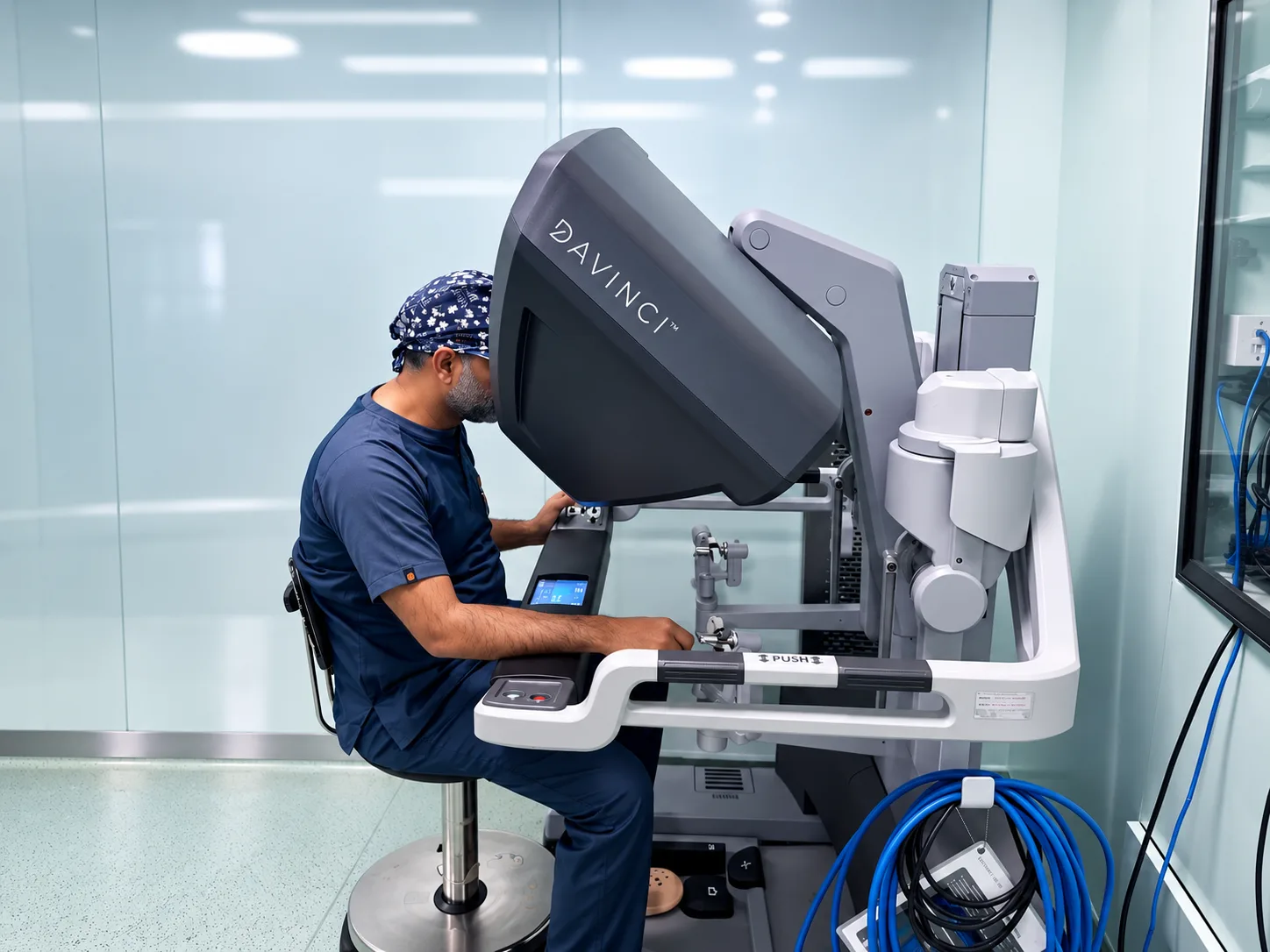
Today, the landscape of surgical care has completely transformed. Robotic-Assisted Urology Surgery represents the pinnacle of minimally invasive treatment. Using advanced systems like the Da Vinci Surgical System, skilled urologists can now perform highly complex procedures through incisions no larger than a keyhole.
Key Takeaways
- The Robot Does Not Operate on You: The robotic arms are 100% controlled by the urologist at all times. It is simply a highly advanced tool.
- Precision and Vision: The system provides the surgeon with 3D, high-definition magnification and instruments that bend and rotate far beyond the capabilities of the human hand.
- Benefits: Smaller incisions, significantly less blood loss, less post-operative pain, and a much faster return to normal life.
Myth vs. Reality: Who is Actually Doing the Surgery?
The most common misconception about robotic surgery is that a machine is autonomously performing the operation. This is entirely false.
During a robotic procedure, the surgeon sits at a console just a few feet away from the operating table. The surgeon’s hand, wrist, and finger movements are seamlessly and instantaneously translated into precise, micro-movements of the robotic instruments inside the patient’s body. The robot relies entirely on the expertise and decision-making of the human surgeon.
Common Robotic Urological Procedures
- Robotic Radical Prostatectomy: For prostate cancer. Robotic magnification allows the surgeon to carefully peel the prostate away from delicate nerves, drastically improving post-surgery continence and sexual function recovery.
- Robotic Partial Nephrectomy: For kidney tumors. Robotic precision allows the surgeon to cut out only the tumor and save the healthy part of the kidney.
- Robotic Pyeloplasty: A reconstructive surgery to fix a blockage where the kidney meets the ureter.
Open Surgery vs. Robotic Surgery: The Recovery Timeline
The most immediate benefit patients notice with robotic surgery is the recovery speed.
| Feature | Traditional Open Surgery | Robotic Surgery |
|---|---|---|
| Incisions | Large (6-8 inches) | Keyhole (4-5 tiny cuts) |
| Hospital Stay | 3 to 7 Days | 1 to 2 Days |
| Return to Normal Activity | 4 to 6 weeks | 2 to 3 weeks |
Robotic Urology Surgery
FAQs
Is robotic surgery safe for prostate or kidney cancer?
Yes. Robotic-assisted surgery using the da Vinci system is internationally recognized as the gold standard for prostatectomy and partial nephrectomy. It offers superior cancer control, lower complication rates, and minimal blood loss compared to traditional open surgery.
Am I a candidate for robotic urological surgery?
Most patients requiring major urological intervention (such as for prostate cancer, kidney tumors, or ureteral reconstruction) are eligible candidates. Factors such as past extensive abdominal surgeries or severe cardiopulmonary conditions are comprehensively evaluated during your consultation with Dr. Azmi.
How long is the hospital stay and recovery time after robotic surgery?
Most patients are discharged within 24 to 48 hours following surgery. Because incisions are tiny (8–10mm) and muscular tissue is not severed, full return to desk work and light daily activities typically takes only 1 to 2 weeks, compared to 6 to 8 weeks for open surgery.
Is robotic surgery performed by a machine or the surgeon?
Robotic surgery is 100% controlled by the surgeon at all times. The robotic console replicates Dr. Azmi’s precise finger and wrist movements in real-time with tremor filtration and 10x high-definition 3D magnification. The robot cannot make independent movements or decisions.
Will robotic prostatectomy cause long-term urinary incontinence or erectile dysfunction?
Robotic prostatectomy significantly improves functional preservation compared to open surgery. The enhanced 3D visualization allows meticulous nerve-sparing techniques and precise preservation of the urinary sphincter, resulting in faster continence recovery and optimal potency preservation.